Quick Answer: Yes, professional pest control will get rid of cockroaches, but only if they use a combination of baits and Insect Growth Regulators (IGRs) rather than just spraying liquid poisons. In late 2025, German cockroaches are highly resistant to standard chemicals. If your exterminator just sprays baseboards and leaves, they are ripping you off.
I once had a client, let’s call him “Jim.” Jim was a good guy, but he was stubborn. He spent six months and over $400 on “bug bombs” and hardware store sprays trying to kill a German cockroach infestation in his kitchen. He swore he was killing them because he’d see dead ones every morning. But the population kept growing. By the time he called me, the roaches were nesting inside the clock on his microwave. The mistake Jim made is the same one I see every day: he was fighting a war of attrition against an enemy that breeds faster than he could spray. He was killing the scouts, but the army in the walls remained untouched.
The Ugly Truth: Why Your DIY Methods Suck
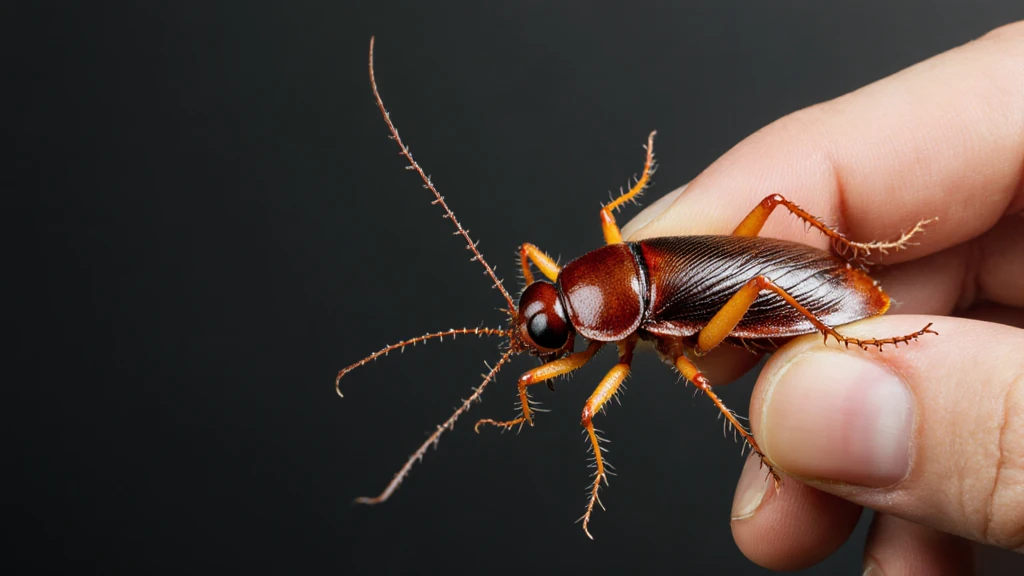
Let’s bite the bullet here. If you are dealing with American cockroaches (the big ones that wander in from outside), you might get lucky with a can of Raid. But if you are fighting German cockroaches (the small, light-brown ones that invade kitchens), your store-bought sprays are useless.
Here is why:
- The “Bomb” Scam: Foggers, or “bug bombs,” are the biggest scam in the pest control aisle. They throw pesticide into the air, which coats your countertops (gross) but doesn’t reach the cracks and crevices where roaches actually live. Worse, the chemical irritation often causes roaches to scatter deeper into the walls, spreading the infestation.
- Repellents vs. Non-Repellents: Most stuff you buy at Home Depot is a repellent. It scares the roaches away from the treated area. Great, right? Wrong. You just taught them to avoid the baseboards and walk across your ceiling instead. Pros use non-repellents—chemicals the roaches can’t smell or taste, so they walk through it, get infected, and die later.
The “Super-Roach” of 2025
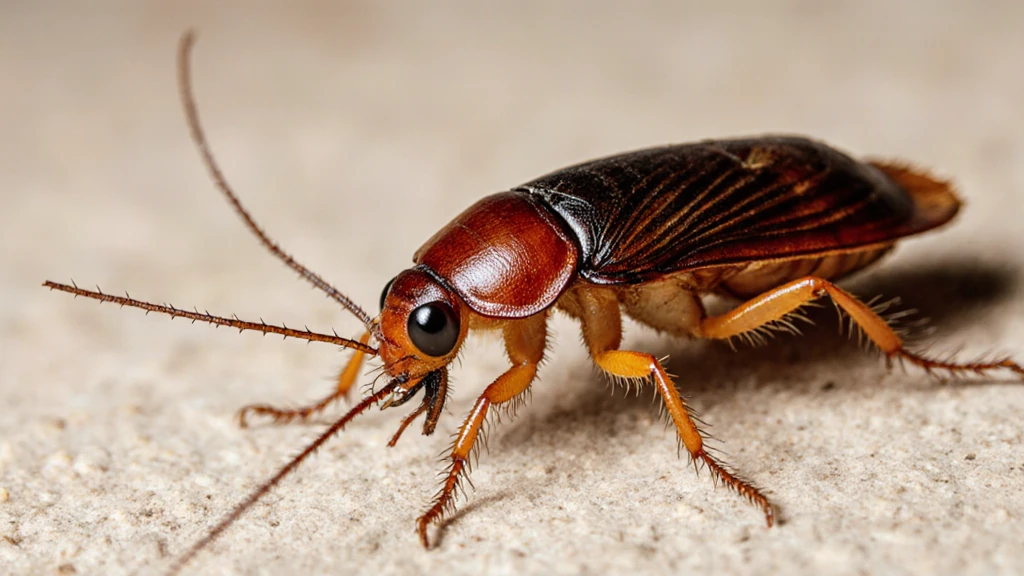
In the last few years, specifically leading into late 2025, we have seen a massive spike in genetic resistance. German cockroaches have evolved. They have developed thicker cuticles (skins) that toxins can’t penetrate, and their metabolic systems now break down poisons that used to kill them instantly.
I have seen roaches walk right over dried pyrethroid sprays without skipping a beat. If you are hiring a pro, you need to ask them point-blank: “Do you use a rotation of baits and IGRs?” If they look at you confused, fire them.
What Actually Works? (The Professional Standard)
To wipe out a colony, we don’t try to kill them one by one. We use their own biology against them. Here is the trifecta that works right now:
1. Gel Baits (The Trojan Horse)
We put down tiny dots of poisoned food. The roach eats it, goes back to the nest, and poops. Baby roaches (nymphs) eat the poop (yeah, they do that), and they die too. Then other roaches eat the dead roaches. One dot of bait can kill dozens of bugs via this “domino effect.”
2. Insect Growth Regulators (IGRs)
Think of this as birth control for bugs. IGRs don’t kill adults. Instead, they mess with the hormones of the baby roaches so they can never reach puberty. If they can’t become adults, they can’t reproduce. The colony eventually ages out and dies.
3. Flush-Outs (With Caution)
Sometimes we use a specialized flushing agent to force them out of hiding spots, but this is a precision tool, not a carpet bomb.
🇺🇸 November 2025 US Market Update
Pricing Alert: As of November 2025, the average cost for a standard cockroach clean-out in the US has risen to approximately $200–$300 for the initial visit. If you have a severe infestation (German roaches), expect a 2-part treatment plan totaling closer to $500–$600.
Tech Trend: “Smart Monitoring” is the new buzzword. High-end companies are now placing IoT sensors that detect roach activity and heat signatures inside walls. Is it cool? Yes. Is it necessary for a standard home? Honestly, no. Stick to the baits unless you run a commercial kitchen.
Regulation Watch: The EPA has tightened restrictions on several neonicotinoid sprays this year due to environmental concerns. This means pros are leaning even heavier on gel baits. If a “guy with a truck” offers to spray your whole house with cheap chemicals, he might be using banned or outdated stock. Watch out.
The Apartment Nightmare (The Elephant in the Room)
If you live in a single-family home, pest control is straightforward. If you live in an apartment or condo, it’s a nightmare. You can be the cleanest person in the world, but if your neighbor is hoarding pizza boxes, you will get roaches.
Straight talk: If you treat your unit but the building doesn’t treat the neighbors, the roaches will come back. It’s not if, it’s when. In this scenario, pest control isn’t about elimination; it’s about defense. You are paying to create a chemical barrier that kills them as soon as they cross your threshold.
Is It Worth the Money?
So, is dropping $300 on a pro worth your hard-earned cash?
If you have German Roaches: Yes. 100%. You cannot beat them with OTC products in 2025. Their reproduction rate is too high. You will spend more money on ineffective sprays over a year than you would on one professional treatment.
If you have American Roaches (Palmetto Bugs): Maybe not. Often, sealing cracks around your doors and fixing leaky pipes will solve 90% of the problem. You might not need a recurring contract for these occasional invaders.
Frequently Asked Questions
Why do I see more roaches after the exterminator sprays?
This is actually a good sign. It’s called the “flush-out” effect. The treatments irritate the roaches and force them out of their hiding spots. They are dying, they just don’t know it yet. Give it 10 to 14 days before you panic.
Can I clean my house immediately after pest control?
Please don’t. If you mop the floors or wipe the baseboards immediately after we leave, you are literally wiping away the money you just paid us. Ask your tech how long to wait—usually, it’s at least 24 hours for floors, and never wipe away the gel bait dots.
Do ultrasonic pest repellers work on cockroaches?
No. They are complete garbage. Studies have shown repeatedly that roaches ignore them. Save your money.
How long does it take to get rid of a severe infestation?
In November 2025, with the resistance issues we’re seeing, a severe infestation takes about 6 to 8 weeks to fully resolve. It usually requires an initial treatment, a follow-up 2 weeks later to catch hatching eggs, and sometimes a third check. Anyone promising “overnight” results is lying to you.
Are the chemicals safe for my dog/cat?
Most modern professional baits and non-repellent sprays are safe for pets once dry. The danger comes from old-school organophosphates, which reputable pros rarely use inside homes anymore. Always ask for the SDS (Safety Data Sheet) if you are worried.