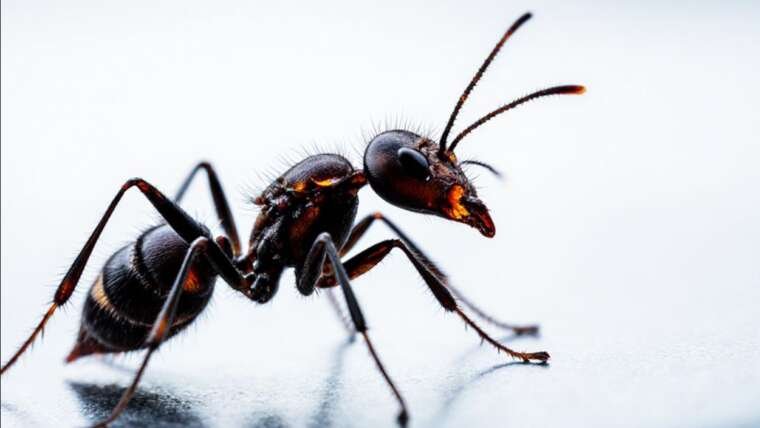
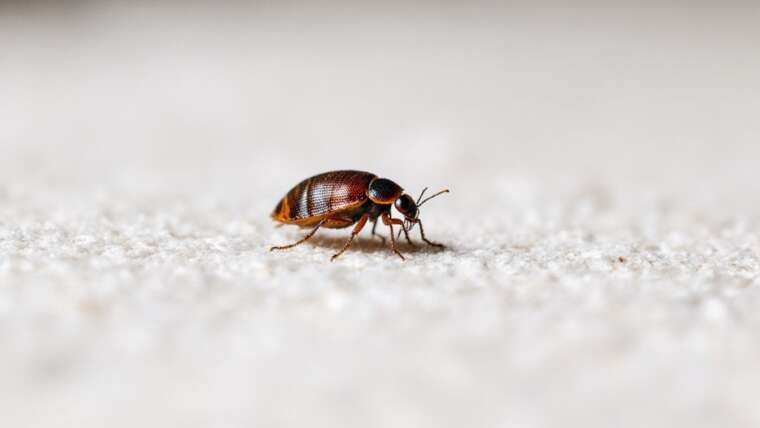
What Are Those Tiny Black Bugs?
Finding tiny black bugs around your kitchen sink is a common and often frustrating problem for many homeowners across the UK. These unwelcome guests can be a nuisance, but understanding what they are is the first step to effective removal.
Drain Flies (Moth Flies)
Perhaps the most common culprit, drain flies are small, fuzzy, dark-coloured insects with distinctive V-shaped wings. They breed in the gelatinous film that accumulates in drains and pipes, feeding on decaying organic matter.
Fruit Flies (Vinegar Flies)
Smaller than drain flies, fruit flies are typically tan or black with red eyes. They are attracted to fermenting fruits, vegetables, and other sugary substances, often found around sinks if food waste is present.
Fungus Gnats
These tiny, delicate black flies are often mistaken for fruit flies. They are usually found near potted plants but can sometimes venture towards the sink area if there’s excessive moisture or decaying organic matter nearby.
Other Possible Culprits: Cockroach Nymphs or Psocids
While less common, very small cockroach nymphs or psocids (booklice) might appear near sinks, particularly if there’s high humidity and access to food sources like starches or moulds.
Why Are They Attracted to Your Sink Area?
Your kitchen sink is an ideal breeding ground and food source for various pests. The primary attractions include:
- Moisture: Drips, condensation, and general dampness create a perfect environment.
- Food Debris: Scraps of food, grease, and other organic matter trapped in drains or left on surfaces.
- Standing Water: Even small puddles can be enough for some insects to lay eggs.
- Warmth: Kitchens are generally warmer than other parts of the house, which can accelerate pest breeding cycles.
- Decaying Organic Matter: The sludge in drains provides a rich food source for larvae.
Effective & Safe Eradication Methods
Getting rid of these pests requires a multi-pronged approach, focusing on both immediate removal and long-term prevention. Always prioritise methods that are safe for pets and children.
DIY Natural Solutions
- Boiling Water: Pouring boiling water down drains can help kill larvae and dislodge organic build-up. Repeat daily for a week.
- Vinegar Traps: A small bowl of apple cider vinegar with a few drops of washing-up liquid will attract and trap fruit flies.
- Baking Soda & Vinegar: Pour half a cup of baking soda down the drain, followed by half a cup of white vinegar. Let it sit for several hours (or overnight), then flush with hot water.
- Thorough Cleaning: Regularly clean your sink, drain, and surrounding countertops with a disinfectant.
Identifying Your Tiny Black Kitchen Bugs
Not all small black bugs are the same. To get rid of them, you first need to know exactly what you are dealing with. Use the table below to identify your “uninvited guests”:
| Feature | Drain Flies | Fruit Flies | Fungus Gnats |
| Appearance | Fuzzy, moth-like wings | Small, tan/black with red eyes | Tiny, mosquito-like with long legs |
| Common Location | Around sink drains and pipes | Near overripe fruit or trash bins | On indoor plant soil |
| Flight Style | Short, “hop-like” flights | Fast and erratic | Weak, clumsy flying |
| Primary Source | Sludge/Organic buildup in drains | Fermenting sugar/fruit | Moist soil and overwatered plants |
The “Overnight Tape Test” (A Professional Trick)
If you aren’t sure if the bugs are coming from your drain, try this simple pro trick tonight:
-
Dry your sink completely before bed.
-
Take a piece of clear adhesive tape and place it sticky-side down over the drain opening (don’t cover it completely; leave some air gaps).
-
In the morning, check the tape. If you see tiny bugs stuck to the bottom, you have Drain Flies, and the source is definitely your pipes.
Why Your Current Cleaning Might Be Failing
Most people pour boiling water or bleach down the drain. While this kills some adult flies, it rarely penetrates the thick organic biofilm where the larvae live. To truly solve the problem, you need an enzymatic cleaner or a stiff drain brush to physically break down the “slime” inside the pipes.
When to Call a Professional
If the infestation is persistent, widespread, or you suspect a more serious pest like cockroaches, it’s best to call a professional pest control service. They can identify the exact pest and implement targeted, effective treatments.
Preventative Measures to Keep Them Away
- Regular Drain Cleaning: Use a drain cleaner or the baking soda/vinegar method weekly.
- Fix Leaks: Repair any leaky taps or pipes immediately to eliminate moisture sources.
- Wipe Down Surfaces: Keep your sink and countertops dry and free of food crumbs.
- Proper Food Storage: Store fruits and vegetables in the fridge or in sealed containers.
- Empty Bins: Empty kitchen bins frequently, especially those containing food waste.
Pet & Child Safety First
When dealing with pests, the safety of your loved ones, including pets and children, is paramount. Avoid harsh chemical sprays unless absolutely necessary and always read product labels carefully. Natural methods are often effective and pose less risk.
Choosing Non-Toxic Options
Focus on physical cleaning, exclusion techniques, and natural deterrents like essential oils (used safely and diluted) before resorting to chemical treatments. If using commercial products, ensure they are approved for indoor use and follow all instructions regarding ventilation and re-entry times.