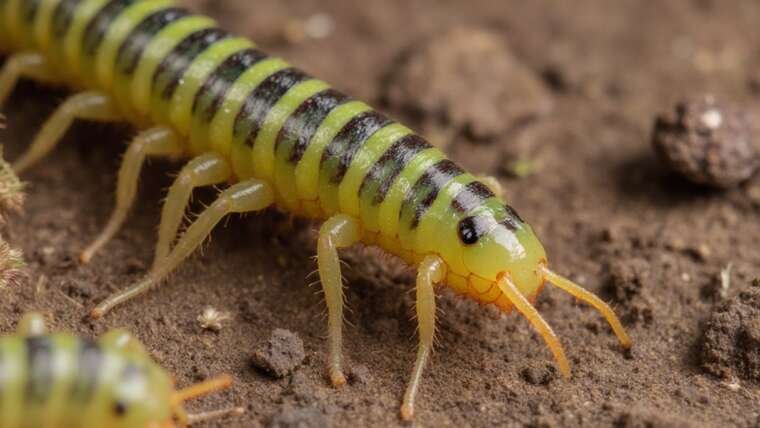
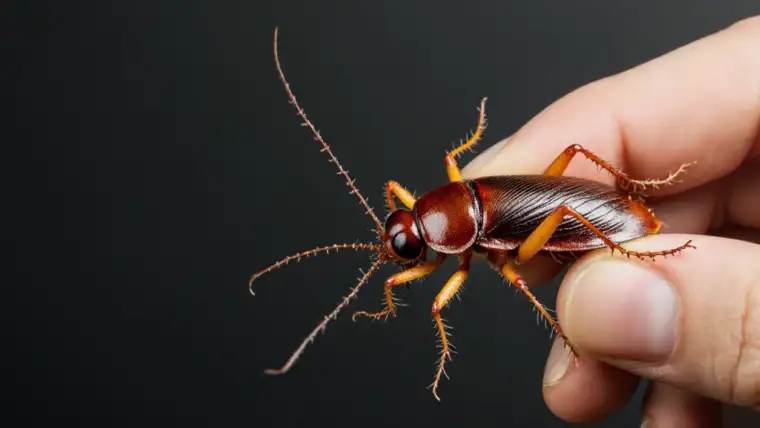
Finding silverfish in your bathroom isn’t just an unpleasant surprise—it’s often a warning sign of underlying moisture issues in your home. These primitive, silvery-blue insects thrive in damp environments and can indicate problems that, if left unchecked, might lead to structural damage and health concerns from mold and mildew. Recognizing these early warning signs can save you from costly repairs and protect your home’s integrity.
Do Silverfish Indicate a Moisture Problem?
Yes, silverfish are reliable indicators of excessive moisture in your home. These prehistoric-looking insects require environments with relative humidity levels between 75-95% to survive and reproduce. According to entomologists at the University of Kentucky, silverfish cannot survive in dry conditions, which is why they’re commonly found in naturally humid areas like bathrooms, basements, and kitchens.
The presence of silverfish often reveals hidden moisture issues before visible signs like water stains or mold appear. Research from the National Pest Management Association confirms that these moisture-loving pests seek out environments where humidity is consistently high—whether from leaking pipes, poor ventilation, or condensation problems. If you’re regularly spotting silverfish, it’s highly likely you have a moisture issue that needs addressing, even if other symptoms aren’t yet visible.
Should I Be Worried If I See a Silverfish in My Bathroom?
Finding a single silverfish isn’t necessarily cause for alarm, but it shouldn’t be ignored either. Silverfish are nocturnal and typically shy away from light and human activity, meaning for every one you see, there could be many more hiding in cracks and crevices. According to the International Association of Certified Home Inspectors, visible silverfish activity often indicates an established population rather than an isolated incident.
While silverfish don’t pose direct health threats—they don’t bite, sting, or transmit diseases—they can cause property damage and indicate conditions favorable for more concerning issues. They feed on paper products, book bindings, wallpaper, and even clothing. More importantly, the same damp conditions that attract silverfish create perfect environments for mold growth and structural wood rot, which can affect both your health and home’s integrity. Pest control experts recommend treating a silverfish sighting as an early warning system for moisture problems that require prompt investigation.
What Smell Do Silverfish Hate?
Silverfish have a strong aversion to certain aromatic compounds found in essential oils and spices. Research published in the Journal of Economic Entomology indicates that silverfish are particularly repelled by the scents of cedarwood, citrus (especially lemon), lavender, cinnamon, and cloves. These natural repellents disrupt silverfish behavior by interfering with their chemoreceptors—the sensory organs they use to navigate their environment.
You can leverage these aversions by creating natural deterrents for your bathroom. Diluted essential oils sprayed along baseboards, cotton balls soaked in cedar oil placed in cabinets, or sachets of dried lavender and cinnamon sticks can create barriers that silverfish avoid. However, pest management professionals emphasize that while these scent-based deterrents may help reduce silverfish activity, they don’t address the underlying moisture problems that attract these insects in the first place. For lasting results, combining aromatic deterrents with proper humidity control is essential.
What Do Silverfish Eat in Bathrooms?
In bathrooms, silverfish feed primarily on carbohydrates, particularly starches and sugars found in unexpected places. Their diet includes the adhesives in wallpaper and behind tiles, sizing in papers and cardboard (like toilet paper rolls and tissue boxes), and even the pastes in bookbindings of bathroom reading materials. Studies from the Department of Entomology at Cornell University show that silverfish can digest cellulose—a complex carbohydrate found in paper products—thanks to specialized enzymes in their digestive systems.
Perhaps more concerning for bathroom environments, silverfish also consume molds and mildew that thrive in damp conditions. They’ll feed on the microscopic fungi growing in grout lines, shower curtains, and under sinks. This dietary preference for mold makes silverfish particularly useful as bioindicators—their presence often reveals microbial growth before it becomes visible to the human eye. Additionally, these insects seek out protein sources like dead skin cells and hair that naturally accumulate in bathrooms. This combination of available food sources and high humidity makes bathrooms an ideal habitat for silverfish colonies to establish and grow.
5 Signs of a Damp Problem You Shouldn’t Ignore
Beyond silverfish sightings, be alert to these additional warning signs of moisture problems in your bathroom: (1) Musty odors that persist even after cleaning, (2) Visible mold or mildew, especially in grout lines or ceiling corners, (3) Peeling paint or wallpaper, (4) Warped baseboards or door frames, and (5) Condensation on windows or pipes. Addressing these issues promptly by improving ventilation, repairing leaks, and controlling humidity levels will not only help eliminate silverfish but also protect your home from more serious damage.