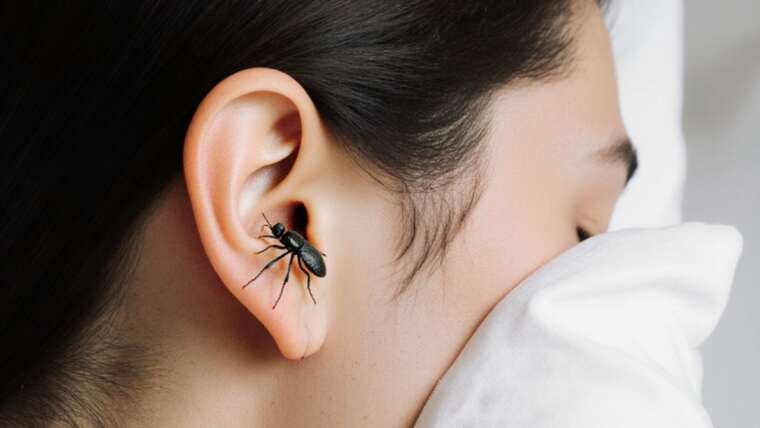
Numerous natural remedies are suggested to rid our homes of unwanted spider guests. Natural solutions, particularly chestnuts and peppermint oil, are frequently recommended as alternatives to chemical pesticides. But are these methods truly effective? In this article, we will delve into the scientific facts surrounding natural spider repellents.
Do Spiders Really Hate Peppermint Oil?
Peppermint oil is one of the most widely suggested natural remedies for deterring spiders. Research indicates that menthol, a key component of peppermint oil, is irritating to many insects. Spiders, whose scent receptors are located on their legs, can be bothered by strong odors.
A 2018 study found that peppermint oil demonstrated a short-term deterrent effect against house spiders. However, this effect is typically temporary, diminishing as the peppermint oil evaporates. Consequently, peppermint oil alone doesn’t provide a permanent solution, but consistent application can help keep spiders out of specific areas.
Do Chestnuts Repel Spiders?
Chestnuts, particularly horse chestnuts, are a traditional folk remedy believed to repel spiders. This belief, prevalent in the UK, suggests that placing chestnuts in room corners will keep spiders at bay. However, scientific research on this topic is quite limited.
Scientific evidence does not confirm a significant deterrent effect of chestnuts on spiders. Moreover, there is insufficient research into the efficacy of oils derived from chestnuts as insect repellents. Consequently, the use of chestnuts largely relies on anecdotal evidence and has not been scientifically substantiated.
What is the Best Natural Spider Repellent?
If you’re seeking the best natural spider repellent, a combination of various essential oils might be one of the most effective solutions. Beyond peppermint oil, lavender oil, tea tree oil, and lemon oil can also act as spider deterrents. Sprays created by mixing these oils with water can establish an environment spiders prefer to avoid.
Furthermore, maintaining a consistent cleaning routine throughout your home reduces potential nesting areas for spiders. Regularly clearing cobwebs from corners and sealing exterior cracks are among the most effective long-term natural methods. Research consistently shows that clean and tidy homes are less appealing to spiders.
What Truly Keeps Spiders Away?
Among the most effective methods to keep spiders out of your home is eliminating their habitats. Spiders typically gravitate towards dark, damp, and secluded corners. Therefore, regularly cleaning and ventilating these areas of your home is crucial.
Furthermore, eliminating spiders’ food sources is highly effective. Spiders often enter homes to prey on other insects. Controlling populations of insects such as flies and mosquitoes will, in turn, reduce the spider population. Sealing cracks in windows and doors provides a simple yet effective barrier to prevent spiders from getting inside.
How to Use Essential Oils to Repel Spiders
The most common method for using essential oils as a spider repellent is to prepare a water-based spray. Add 15-20 drops of an essential oil (e.g., peppermint, lavender, or tea tree oil) to approximately 250 ml of water and pour the mixture into a spray bottle. Spray this solution in areas where spiders are observed, on door thresholds, and along window sills.
Alternatively, you can apply essential oils to cotton balls and place them in high-traffic spider areas. Diffusing essential oils can also help deter spiders. However, if you have pets, be aware that some essential oils can be toxic to them; always consult your veterinarian before use.
Do Plug-In Spider Repellents Really Work?
Plug-in electronic spider repellents available on the market claim to deter spiders by emitting ultrasonic waves or electromagnetic vibrations. However, scientific evidence regarding the effectiveness of these devices is quite limited.
Various consumer tests and scientific studies have indicated that these devices are not as effective as advertised. For instance, a 2012 study examining the effect of ultrasonic devices on insects and rodents found no significant deterrent. Therefore, it might be more prudent to turn to proven natural methods instead of relying on plug-in repellents.
When Are Spiders Most Active?
Spiders typically become most active during the autumn months, particularly in September and October. This period marks the beginning of their mating season, leading male spiders to move around more in search of females. Consequently, they are seen more frequently inside homes.
Furthermore, as the weather begins to cool, spiders seek warm shelters, which draws them indoors. Due to climate change, spider activity periods may have shifted in recent years. If you are experiencing a spider problem in your home, it can be beneficial to intensify your preventative measures, especially at the onset of autumn.