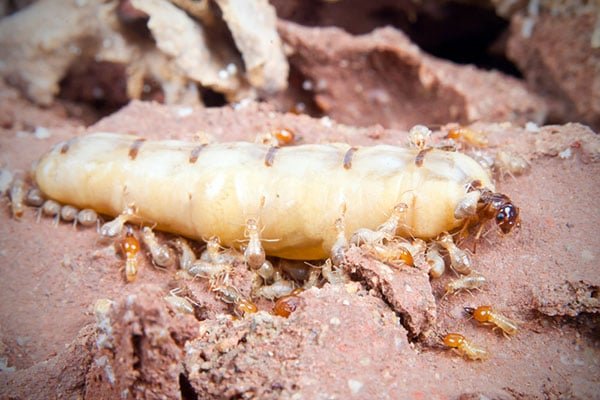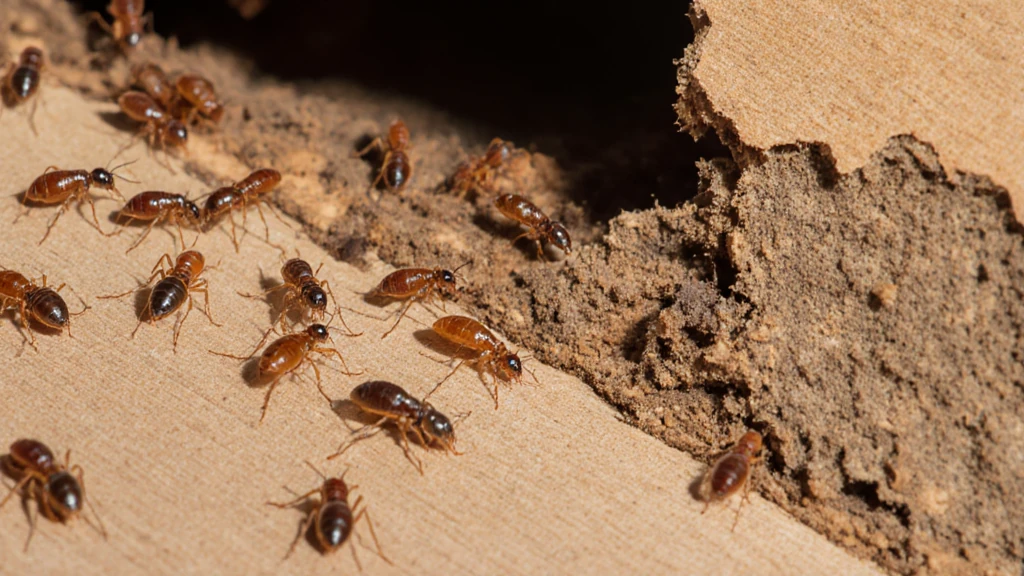
Quick Answer: Termite damage is considered “too much” when it compromises the structural integrity of load-bearing members (sill plates, main support beams, headers) in more than two distinct areas of the home, or when the estimated repair cost exceeds 75% of the property’s market value. If you can push a screwdriver into your foundation sill plate like it’s a sponge, walk away.
I once consulted for a young couple looking at a “charming fixer-upper” in Charleston. The listing said “minor termite history.” I crawled under the porch, shone my light on the main rim joist, and literally poked my finger through the wood. It wasn’t wood anymore; it was just paint holding hands with termite poop (frass). The house wasn’t sitting on a foundation; it was floating on a prayer. They walked away, saved $400,000, and probably their marriage. That is the reality of “too much.”
The “Iceberg” Rule: What You See vs. What You Pay For
Here is the brutal truth about termites: visible damage is a liar. By the time you see wrinkled wallpaper or a mud tube on the baseboard, the colony has likely been eating your equity for 3 to 5 years.
Think of termite damage like an iceberg. The “tip” is the cosmetic stuff—damaged trim, a hollow-sounding door frame. That is fixable. The “base” is what sinks you. If the colony has bypassed the trim and established itself in the structural envelope of the house, you are in trouble.
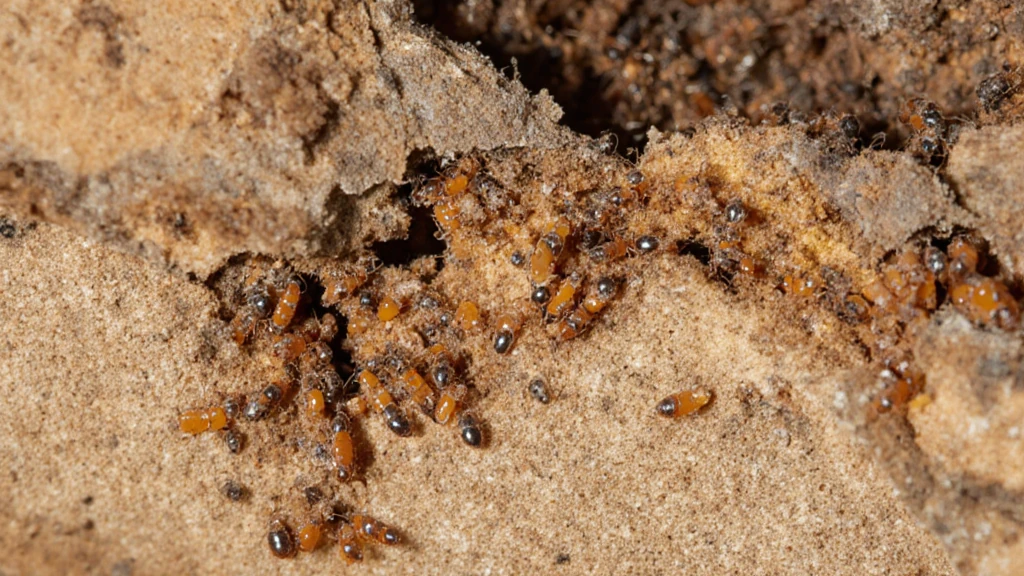
The 3 Stages of “Oh No”
- Stage 1: Cosmetic (The Annoyance). You find damage in baseboards, quarter-round, or drywall paper.Verdict: Fixable. Rip it out, treat the area, replace the trim. Cost: $500–$2,000.
- Stage 2: Localized Structural (The Wallet Hurter). They got into a floor joist or two.Verdict: Painful but survivable. You can “sister” the joist (bolt a new board to the old one). Cost: $3,000–$8,000.
- Stage 3: Widespread Structural (The Money Pit). The infestation has reached the sill plate (the wood that sits on your concrete foundation) or the wall studs across multiple rooms.Verdict: Too Much. To fix a sill plate, you often have to jack up the entire house. If you see this, run.
The “Walk Away” Indicators
If you are buying a home, or assessing your own, these are the red flags that scream “Total Loss”:
1. The Sill Plate Test
Go to the basement or crawlspace. Find the piece of wood that sits directly on top of the concrete foundation wall. Poke it with a screwdriver. If it’s soft, or if it crumbles, the house is effectively disconnected from its foundation. Replacing this requires hydraulic jacks and a structural engineer. It is rarely worth the cost.
2. Multiple Floor Levels
If you have sagging floors on the first and second stories, the termites have traveled up the load-bearing studs inside the walls. This means they have gutted the “skeleton” of the house. You aren’t looking at a repair; you are looking at a gut renovation.
3. The “Super-Termite” Factor (Florida/Gulf Coast)
If you are in the Southeast, you need to know about the hybrid swarms. We are seeing Formosan termites cross-breeding with Asian termites. These colonies are massive and eat wood ten times faster than the native subterranean termites. A standard colony takes years to wreck a house; these hybrids can do it in months.
🇺🇸 November 2025 US Market Update
Lumber Tariff Warning: As of late 2025, new tariffs on Canadian softwood lumber are pushing material costs up significantly. Replacing a 2×10 floor joist isn’t just about the wood price—it’s the labor. Skilled carpentry rates have jumped to over $125/hour in many metro areas.
New EPA Weapon: The EPA just approved a new active ingredient, Isocycloseram, specifically for resistant pests including termites. If you are getting a quote, ask if they are using these newer, non-repellent chemistries. The old stuff just doesn’t cut it against the new hybrid colonies appearing in the South.
The Economics of Repair: Why “Fixing It” Might Bankrupt You
Let’s talk numbers. In late 2025, the average structural termite repair job is landing between $4,000 and $10,000. But that is for accessible damage.
If the damage is behind a tiled shower or under a load-bearing wall, the demolition costs alone will double that number. I’ve seen homeowners spend $20,000 to fix the framing, only to realize they now have to spend another $15,000 to put the bathroom back together.
The 75% Rule: Banks generally won’t lend on a house if the repairs exceed a certain percentage of the value. If the repair estimate is approaching 75% of the home’s market value, demolish it. It sounds extreme, but rebuilding with modern materials is often cheaper than surgically replacing rot in an old shell.
Insurance Reality Check
Let me cut to the chase: Homeowners insurance does NOT cover termite damage.
Insurance covers “sudden and accidental” damage (like a fire or a burst pipe). Termite damage is considered “preventable maintenance” by insurance companies. They will deny your claim faster than you can hang up the phone. Unless you have a specific “termite bond” with a pest control company that includes a repair guarantee (which is rare and expensive), you are on your own.
Frequently Asked Questions
Can I just “sister” the damaged joists and ignore the rest?
You can sister a joist if the damage is limited to the center of the span. But if the rot extends to the ends where the joist sits on the beam or foundation, sistering won’t work because there is nothing solid to bolt to. It’s like putting a band-aid on a broken leg.
Is it safe to live in a house with termite damage?
Usually, yes, the house won’t collapse overnight. Wood is fibrous and rarely snaps suddenly; it sags first. However, if you see sagging ceilings or buckling walls, that is an immediate safety hazard. Get a structural engineer out there yesterday.
Should I buy a house with previous termite damage?
Maybe. If the seller has paperwork proving the infestation was treated and the structural damage was repaired by a licensed contractor, it can be a bargain. Use the “damage history” to negotiate the price down by at least 10-15%. But if they say “it was treated” but have no proof of structural repairs? Walk away.
How do I know if the damage is old or active?
Break open a mud tube. If it’s dry and crumbles, it’s likely old. If it’s moist or you see white, creamy insects moving inside, it’s active. Also, active termites keep their tunnels clean. If you break a tube and come back 48 hours later to find it repaired, you have an active war on your hands.