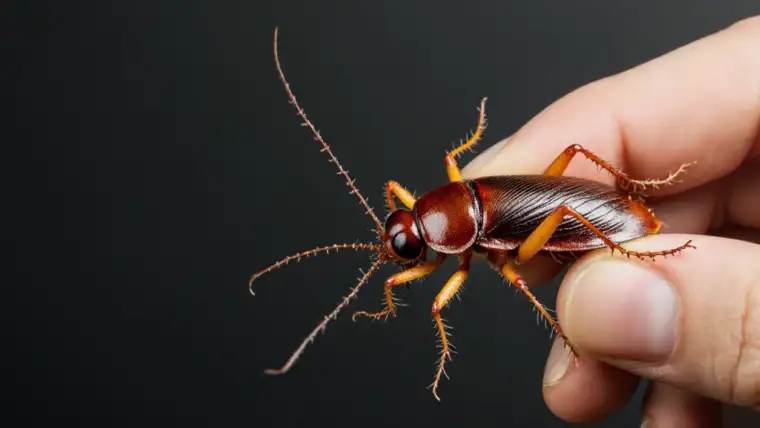
Imagine enjoying a lovely cup of tea by the window, only to spot a tiny scout ant, followed by a whole brigade, marching determinedly across your windowsill. It’s a common, irritating problem for many UK homeowners. Ants are constantly on the hunt for food, water, and shelter, and an open or poorly sealed window provides a perfect invitation into your cosy home. But don’t worry, you don’t have to live with these uninvited guests. This comprehensive guide will equip you with the knowledge and practical steps to ant-proof your windows and reclaim your peace.
Why Do Ants Choose Your Windows as an Entry Point?
- Scouting for Supplies: Windows often offer direct access to internal food sources (like kitchen crumbs) or water (condensation, leaky sills).
- Shelter and Warmth: Cracks around windows can provide ideal nesting spots or sheltered pathways, especially during colder or wetter weather.
- Easy Access: Unlike solid walls, windows have frames, sills, and potential gaps, making them an Achilles’ heel for home security against pests.
Pest Control Pro Tip: Ants often lay pheromone trails. If you see just one or two, act quickly! Wiping the area with white vinegar or a strong cleaning solution can disrupt these trails and prevent more ants from following.

Step-by-Step Ant-Proofing Your Windows
1. Immaculate Cleaning: Eliminate the Attraction
Ants are drawn to food residues, even microscopic ones. A clean window area is your first line of defence.
- Deep Clean Sills and Frames: Use a multi-purpose cleaner to thoroughly wipe down all window sills, frames, and adjacent walls. Pay special attention to corners and crevices where crumbs or sticky residues might hide.
- Vacuum Regularly: If your windows have blinds or curtains, vacuum around them frequently to pick up any fallen debris.
- Address Condensation: Wipe away any standing water or condensation on sills, as this can be a crucial water source for ants.
LSI Keywords: window cleaning, ant food sources, sticky residue, crumb control, moisture reduction.
2. Seal All Entry Points: Barricade Against Invaders
Even the tiniest crack can be a highway for ants. Sealing these gaps is paramount.
- Inspect for Cracks and Gaps: Carefully examine the entire window frame, sill, and the wall around it for any hairline cracks, gaps, or deteriorated caulk.
- Caulking is Key: Use a good quality silicone caulk to seal any gaps you find. This creates an impassable barrier.
- Weatherstripping Wonders: For windows that open, ensure the weatherstripping is intact. Worn-out weatherstripping can create gaps that ants can exploit. Replace if necessary.
- Screen Savvy: Ensure all window screens are free from tears or holes. Repair or replace damaged screens promptly.
Ant Entry Point Checklist:
- ✓ Cracks in plaster or masonry around window frame?
- ✓ Gaps between window frame and wall?
- ✓ Deteriorated or missing caulk?
- ✓ Worn or damaged weatherstripping?
- ✓ Tears or holes in window screens?
LSI Keywords: seal window gaps, caulk windows, weatherstripping replacement, window screen repair, ant proofing, crack sealing.
3. Natural Deterrents: Friendly Fences for Pests
Many common household items can act as natural ant repellents without harming pets or children.
- Peppermint Oil: Ants dislike the strong smell of peppermint. Dab a few drops on cotton balls and place them on your windowsill.
- White Vinegar Spray: Mix equal parts white vinegar and water in a spray bottle. Spray directly onto sills and frames daily. It also cleans!
- Cinnamon or Coffee Grounds: Sprinkle a fine line of cinnamon powder or used coffee grounds along the windowsill. Ants are often deterred by strong, powdery substances.
- Lemon Juice: The acidity of lemon juice can disrupt ant trails. Wipe sills with undiluted lemon juice.
Expert Says: While natural deterrents are excellent for prevention and minor infestations, their effectiveness can vary. Consistency is crucial for the best results.
Natural Ant Repellent Comparison Table:
| Repellent | Pros | Cons | Pet/Child Safe? |
|---|---|---|---|
| Peppermint Oil | Strong deterrent, pleasant smell for humans | Needs reapplication | Generally safe, but supervise pets |
| White Vinegar | Cleans, cheap, effective | Temporary strong smell | Very safe |
| Cinnamon | Strong scent, physical barrier | Can be messy, needs reapplication | Generally safe |
| Coffee Grounds | Repurposes waste, physical barrier | Can be messy, needs reapplication | Generally safe |
LSI Keywords: natural ant repellents, pet-safe ant control, child-safe pest control, essential oils for ants, DIY ant deterrents.
4. Outdoor Maintenance: Cut Off the Supply Line
Sometimes, ants are just using your window as a stepping stone from an outdoor nest.
- Trim Vegetation: Ensure no tree branches, shrubs, or climbing plants are touching your house, especially near windows. These act as ‘bridges’ for ants.
- Clear Debris: Remove leaf litter, firewood piles, and other debris from around your home’s foundation and near windows, as these can harbour ant nests.
- Check Guttering: Ensure gutters are clear and directing water away from your home, preventing moisture build-up near windows that could attract ants.
LSI Keywords: garden ant control, outdoor ant prevention, home perimeter defence, trimming bushes, gutter maintenance.
What If Ants Are Already Inside?
If you have an active ant problem inside, focus on:
- Cleaning Their Trails: Use a strong cleaning agent to wipe up pheromone trails.
- Bait Stations: Ant bait stations can be effective as ants carry the bait back to their nest, eliminating the colony. Place them away from windows, near where you see ants, and out of reach of children and pets.
When to Call a Professional
While DIY methods are great for prevention and minor issues, if you’re experiencing a persistent, large-scale ant infestation, it’s always best to consult a professional pest control expert. They can identify the species, locate the nest, and implement targeted, safe solutions, ensuring the problem is fully resolved. This is especially important for your home’s long-term safety and hygiene.
Conclusion: Enjoy an Ant-Free Home
By following these steps – from rigorous cleaning and sealing to employing natural deterrents and maintaining your outdoor spaces – you can effectively prevent ants from entering your home through the windows. Consistent effort is key to keeping your living spaces ant-free and enjoyable. Say goodbye to unwanted visitors and hello to peace of mind!