Quick Answer: Effective rodent exclusion—the only real long-term solution to mice and rat infestations—requires sealing every opening larger than a 1/4 inch (Mouse) or 1/2 inch (Rat) using durable, non-chewable materials like copper mesh, coarse steel wool, and concrete-repair patch, focusing relentlessly on foundations, utility penetrations, and roof lines.
You wanna know the ugly truth about mice and rats? They don’t give a damn about your snap traps or your fancy ultrasonic repellers. Those are just Band-Aids. I learned this the hard way back in ’08 when a client in suburban New Jersey called me out for a “minor mouse problem.” They had thrown every single retail solution at it. The attic looked like a tiny rodent war zone of half-chewed poison blocks and perfectly placed glue traps that just caught dust bunnies. Cut to the chase: I pulled out a two-gallon bucket of feces-covered, urine-soaked insulation, and then found the main entry point—a dime-sized gap around a neglected cable TV line where it met the brick veneer. A single, tiny hole was the superhighway for an entire family of House Mice. The traps didn’t fail; the house failed. Exclusion is the only thing that works, and it’s 90% grunt work and 10% knowing what materials not to trust.
The Elephant in the Room: Why Trapping Sucks Long-Term
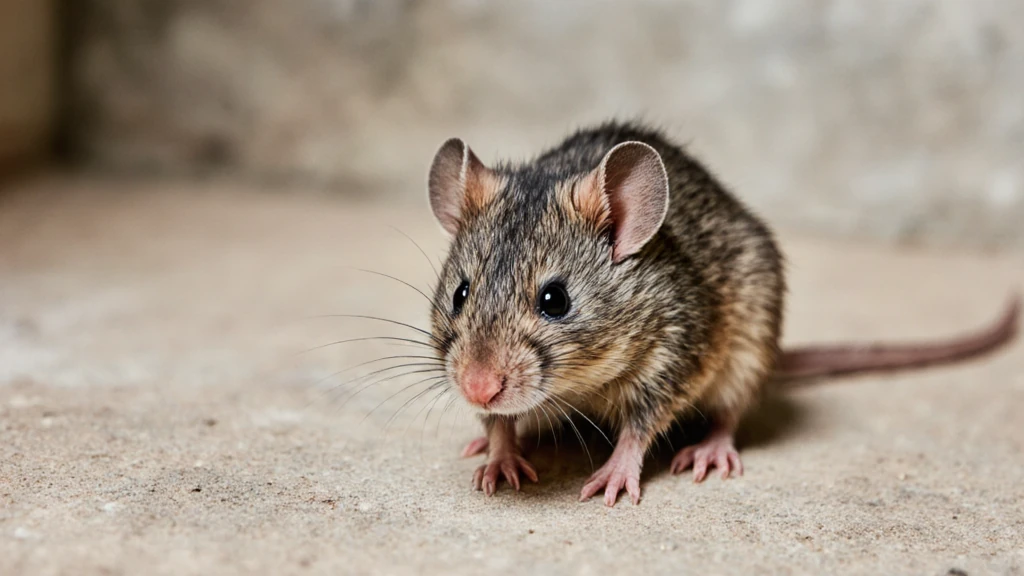
Look, I get it. Seeing a mouse in your kitchen drives you nuts, so you grab a trap. That’s fine for removing the scout, but it does absolutely nothing to stop the flow of traffic. The House Mouse, or Mus musculus, has a reproduction cycle that’s frankly terrifying. They are literally built to out-breed your traps. You kill four, but six new ones are born in your basement wall void. Trapping is a management tool; exclusion is a permanent solution. You’re not fighting the population; you’re building a wall they can’t cross. And trust me, building that wall is the only way you’ll actually get your bang for your buck.
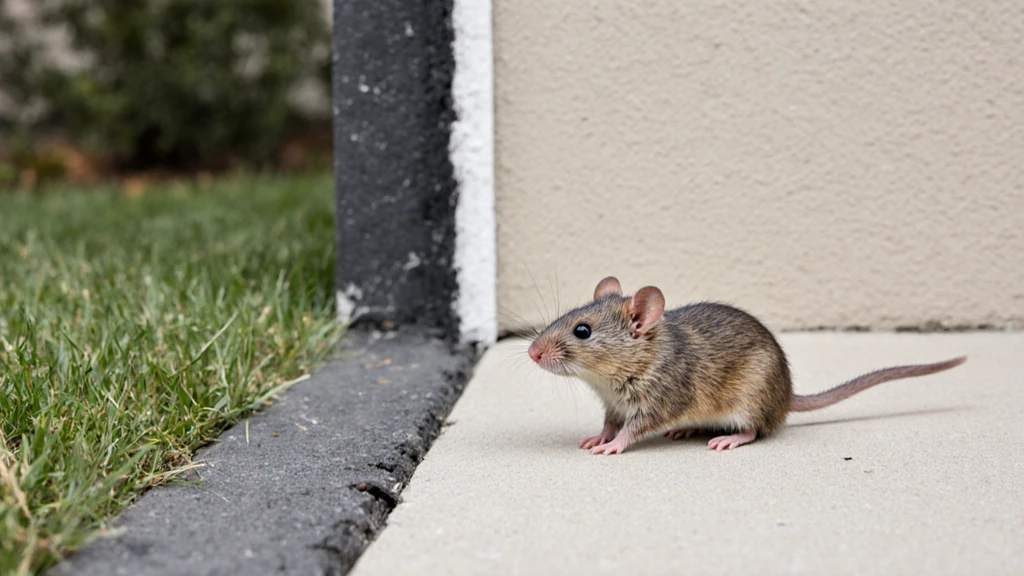
Rats, especially the Norway Rat (Rattus norvegicus), are a whole different beast. They’re bigger, they’re smarter, and they’ll gnaw through wood, plastic, vinyl siding, and even poorly cured concrete to get where they want to go. A Norway Rat can fit its body through an opening the size of a quarter. A mouse only needs a pencil-sized hole (1/4 inch). If you can stick a pencil into the gap, you’ve got an entry point. Simple, right?
The Exclusion Checklist: Your “Hit List” of Entry Points
Rodents don’t waltz in through the front door. They use the hidden, neglected, and structurally lazy parts of your home. You need to put on your detective hat and check every inch of your foundation and roofline. Don’t skip a single thing—if you seal 99 holes and miss one, you still have a rat problem.
1. The Foundation and Slab Level (The Rat’s Freeway)
- Utility Penetrations: This is the number one spot. Look where your A/C lines, water pipes, gas lines, and electrical conduits pass through the foundation or siding. Builders often use cheap, soft caulk that dries up and cracks in a year, or just leave a gap.
- Weep Holes: These are the small gaps left in brick veneer for water drainage. They are a mouse’s dream door. Don’t seal them shut! You’ll ruin your wall structure. Instead, use stainless steel or copper mesh designed for this purpose. You must allow air and water to pass.
- Crawl Space Vents: Are the screens intact? A lot of older homes have vents with wire mesh that’s either rusted out or too wide. Replace it with 1/4-inch hardware cloth, which is thicker and more durable than typical window screening.
- Cracks and Voids: Inspect every crack in your concrete slab or foundation blocks. Use a concrete patch or mortar for the big stuff, but first, shove steel wool or copper mesh deep into the crack to act as a deterrent. Remember: rats can gnaw through concrete as it cures.
2. The Mid-Level (The Wall Void Highway)
- Garage Door Seals: Look closely at the rubber or vinyl seals along the bottom and sides of your garage door. If there’s a gap you can slide your pinky finger under when the door is closed, it’s a welcome mat. Replace the bottom seal and install weather stripping on the sides.
- Window Wells: These often collect leaves and debris—perfect nesting material. Make sure they have a durable, sealed cover.
- Dryer/Exhaust Vents: The plastic louvers on these are useless. A rat will chew right through that in five minutes. Replace them with heavy-duty metal vents that have a tight-fitting grille.
3. The Attic and Roof Line (The Mouse Penthouse)
Mice, and Roof Rats (less common but a terror in warmer states), are expert climbers. They use tree limbs, utility wires, and rough siding to get to the highest points of your home.
- Soffit and Fascia Gaps: The joints where the roof line meets the outer wall are constantly expanding and contracting. Look for separation. You often see mice entering here where a gutter is pulling slightly away from the fascia board. Caulk and seal, but if the gap is larger than 1/2 inch, you need aluminum flashing or a custom piece of metal.
- Roof Vents and Pipes: Plumbing vent pipes coming out of your roof often have rubber collars that degrade in the sun. This opens up a path straight down into your wall voids. Replace cracked or failed collars. Also, check power vents and static vents for chewed or compromised screens.
- Chimney Flashing: The metal flashing around your chimney is a prime spot for rust, wear, and separation. This is one of those spots where you really should bite the bullet and call a professional roofer if you have any doubts. Water damage and rodents are a terrible combination.
The Pro-Grade Materials That Don’t Suck
Forget the foam you get at the home store. The yellow or white expanding foam is basically a cozy, soft chew toy for a determined rat. It sucks. Here’s what you should be using:
- Coarse Steel Wool or Copper Mesh (Xcluder, Stuf-Fit): This is your primary filler for small-to-medium gaps (1/4 inch to 2 inches). You shove it in before you caulk over it. When a rodent tries to chew through it, the sharp, abrasive fibers irritate their mouth. They simply stop. Copper mesh doesn’t rust, so it’s my go-to for exterior applications.
- Silicone Caulk (Polymer Sealant): Use a high-quality, weatherproof silicone sealant to cover the copper mesh you just installed. It’s more flexible and durable than cheap latex caulk, and it won’t crack in the winter.
- Hardware Cloth (1/4 Inch Mesh): For covering larger openings like damaged vents. Don’t use chicken wire; the holes are too big. Hardware cloth is sturdy, galvanized wire that you cut and screw directly over the opening.
- Cement and Concrete Repair Patch: For cracks in the foundation. Nothing beats a solid mineral material for blocking burrows or foundation cracks.
🇺🇸 November 2025 US Market Update
The cost of professional, full-home rodent exclusion services in the US has continued its upward creep, now averaging between $700 and $2,500 for a standard residential property, depending heavily on severity and structure type (basement vs. crawl space). This November, we’re seeing an interesting trend: due to continued labor shortages in construction and the high cost of material inputs, the price of copper mesh and specialized sealants has remained stubbornly high, pushing the average DIY cost for quality materials for a full exterior seal-up to around $300 to $500. However, the cost of replacing rat-damaged insulation in an attic (now running $2 to $6 per square foot, plus labor) makes the upfront investment in exclusion look like a bargain. Don’t cheap out now, or you’ll be paying a premium for cleanup later.
DIY vs. Hiring a Pro: Don’t Be a Hero
This is where I get slightly opinionated: If you have a rat problem, hire a pro. If you have a few mice and a ranch-style house with easy foundation access, you can DIY the whole thing. Rats are an entirely different level of structural threat. They require deep investigation—often involving burrow tracking and the ability to spot minute signs of entry high up on your roofline.
A professional pest control operator doesn’t just seal the visible holes. They perform a detailed, perimeter-to-peak inspection. They know the habits of the local rodent species, and they have the liability insurance for climbing on your roof or crawling through your nasty, damp crawlspace. Yeah, it’s a big chunk of change (see the November 2025 update above), but that money is for expertise, safety, and a written guarantee that they’ll come back if a rat gnaws its way through their patch job. It’s buying peace of mind. If you’re just dealing with small House Mice, then grab your copper mesh, a good caulking gun, and go to town. Focus on that 1/4-inch rule, and be relentless.
The Post-Exclusion Protocol: Sanitation and Maintenance
You’ve sealed the house. Now what? You have to clean up the mess and break the attractants. Rodents leave behind pheromone trails—like a flashing “Home Sweet Home” sign for their buddies. If you don’t clean it up, new rodents will work twice as hard to get in.
- Sanitation: Remove all droppings, contaminated nesting material, and soiled insulation. Wear a respirator and gloves—hantavirus is a very real thing. Treat surfaces with a commercial-grade enzyme cleaner or a bleach/water solution to break down those scent trails.
- Attic/Basement Cleanup: If you had a severe infestation, you need to seriously consider replacing the contaminated insulation, which is likely compressed and has lost its R-value anyway. Rodent urine and feces destroys the thermal efficiency of fiberglass insulation.
- Food Storage: Store all pet food, birdseed, and human dry goods in airtight containers—plastic totes or metal bins. Don’t leave dog food out overnight. Ever.
The goal isn’t just to keep them out; it’s to make your home the most boring, scent-neutral, and inaccessible structure on the block. Make your neighbor’s place look like the better option. That’s how you win the exclusion game. It’s simple, it’s not sexy, but it’s the only way to truly stop that endless cycle of trapping and spotting.
Frequently Asked Questions
What is the minimum size hole a House Mouse can squeeze through?
A House Mouse can squeeze through any opening that is 1/4 inch in diameter—about the size of a standard pencil. Their skulls are surprisingly flexible, allowing them to flatten their bodies significantly to gain entry.
Can Rats chew through steel wool, and is it better than expanding foam?
Rats cannot effectively chew through coarse steel wool or copper mesh. When they try, the abrasive, sharp material causes immediate pain and stops them. This makes it infinitely better than expanding foam, which they will chew through easily and often use as nesting material.
How much does professional rodent exclusion cost in late 2025?
The national average cost for comprehensive professional rodent exclusion, including inspection, sealing, and a guarantee, currently ranges from $700 to $2,500 for residential properties in November 2025, with prices varying based on the size of the home, the severity of the infestation, and the structural complexity (e.g., a multi-story home with a crawlspace is more expensive).
Should I seal the weep holes in my brick house?
No, you absolutely should not seal weep holes shut. Weep holes are vital for allowing moisture to escape the brick veneer, preventing structural and mold damage. You must fill them with a non-rusting, non-chewable material like copper mesh or specialized mesh inserts that still allow air and water to pass through but block the 1/4-inch entry point of a mouse.
How can I find entry points in my attic or basement?
The best way to find entry points is to look for light. Go into your attic or basement during the daytime, turn off all the lights, and look for any tiny pinpricks or beams of daylight coming in. These spots, particularly near roof edges, plumbing stacks, or foundation sills, are your direct paths to rodent entry. Also, look for “grease marks”—dark, oily rub marks along baseboards and beams caused by rodents constantly dragging their bodies.