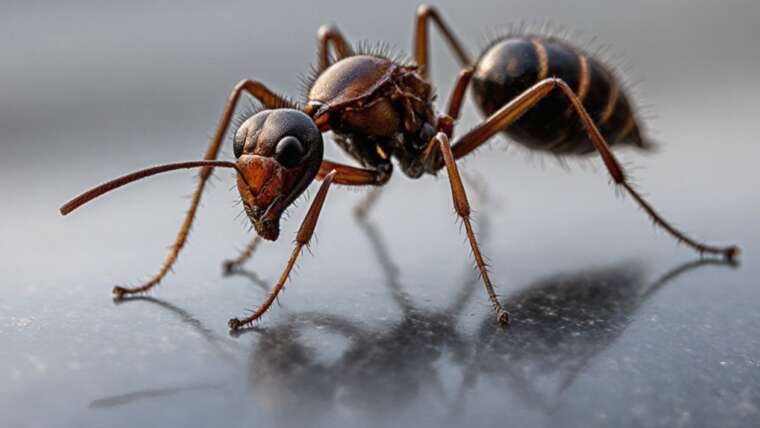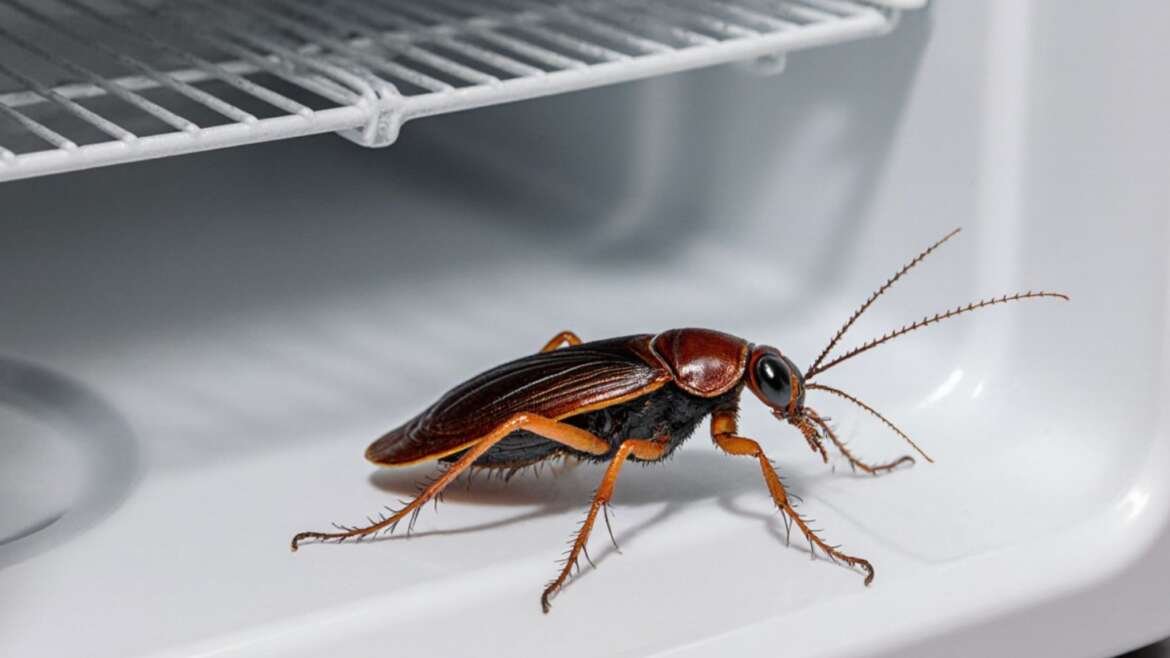
Cockroaches are attracted to the warmth and food sources in your home, often invading kitchens to feast on crumbs and leftovers. They can even take up residence in appliances—especially German cockroaches—making them particularly troublesome to eradicate.
How Cockroaches Get Into Your Appliances
Kitchens provide many hiding spots: sinks, drains, beneath stoves and fridges, and in cabinets. These pests are nocturnal, prefer dark, sheltered areas, and can multiply quickly if conditions are right. Cockroaches are so resilient that they can survive for months without food, often leaving only traces like egg cases or droppings.
Even spotting one cockroach could indicate a larger infestation. Pest control professionals use sticky traps (glue traps) to monitor cockroach populations. Their bodies allow them to slip through tiny gaps, making appliance seals and cracks easy entry points. They also hide behind wallpaper, under carpets, and anywhere they find warmth and food. Cockroaches are not picky eaters—grease, glue, and even cardboard can become their meals!
Can Cockroaches Damage Appliances?
While cockroaches rarely cause physical damage to appliances, their presence can contaminate surfaces and food. They spread harmful bacteria like E. coli and salmonella by moving between food sources, making kitchen infestations a health hazard. If not addressed, infestations can spread to other rooms. UV lights placed near entry points may help reveal their pathways.
What to Do When You Have Cockroaches in Your Kitchen
Seeing one cockroach means others may be hiding. Follow these steps to reclaim your kitchen:
- Remove Food Sources: Clean up crumbs, seal food in airtight containers, and refrigerate leftovers immediately. Creating an inhospitable environment makes survival harder for roaches.
- Clean Everything Thoroughly: Wipe down microwave and fridge interiors, stove surfaces, and counters to remove food traces. A mixture of vinegar and baking soda is a natural cleaning solution that helps dissolve grease and eliminates attractants.
- Place Monitor Traps: Use glue traps in high-activity areas to track cockroach movement. Rotate trap positions to reveal new hotspots, but always consult pest control professionals to ensure proper placement and safety.
- Seal Up Cracks: Inspect and seal cracks in walls, floors, and around pipes or windows. Copper mesh can be stuffed into gaps for extra protection, as cockroaches cannot chew through it.
When to Call a Professional
If the infestation seems extensive or persistent despite your efforts, it’s wise to contact a pest control expert. Cockroaches are stubborn pests—professional help ensures your home is clean and safe.
For more guidance on cockroach control, consider reaching out to professional services such as Terminix®.